
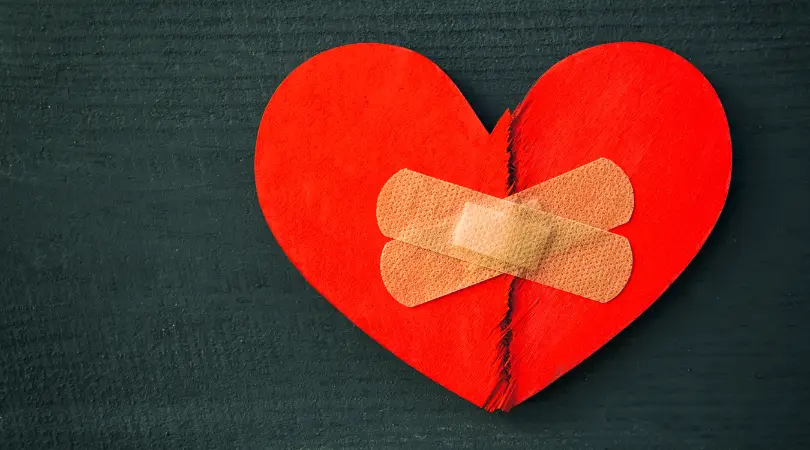
The hurt of betrayal comes in many forms. But when a friend, whether a long-time close friend, or a work friend, is the one who caused deep wounds, division, or exclusion, the pain takes on a different emotional toll. Just scroll through Buzz Feed, Reddit, or any other social media platform and you will find a myriad of scenarios that tell the stories of friendship betrayal
*******
Sarah, a dedicated employee in line for a promotion, finds out that her colleague, someone she’d considered a trusted work friend has been badmouthing her to management. Not only does this work friend badmouth Sarah to upper management, but the coworker goes on to tell everyone that Sarah stole her ideas and is trying to sabotage the team so that she will get the promotion. Despite her hard work and success on the team, Sarah is suddenly excluded from important projects and meetings and afterwork happy hours. When Sarah finds out her work friend is behind this, she is devasted and her trust of a valued teammate has been shattered. Sarah is left with not knowing who to trust and is trying to rebuild her professional reputation.
*******
Katie planned a 4th of July party and invited her five closest friends. They all separately texted her back, claiming they had prior family commitments out of town. However, they were lying. They planned a beach trip without her, creating a separate group chat to organize it. Sitting alone on the 4th of July, Katie scrolled through her social media accounts, her heart broke when she saw the happy group photos her friends posted. She felt betrayed realizing that her friends not only lied to her, but didn’t invite her. She was left with a sick feeling that her so-called friends didn’t value her as much as she valued them.
*******
Michelle’s best friend Allison’s husband had recently passed away. When he was alive the two couples were close family friends. Michelle, knowing that her friend needed help with household repairs suggested that her husband go over to the house to see what he could help her fix. Since they were life long best friends, Michelle trusted her friend. Months later, Michelle found a small box in her husband’s vehicle’s glove compartment. Curious she opened it and found a beautiful diamond pendant. Her birthday was coming up, so she quickly put it back preparing to be surprised.
Her birthday came and went and no necklace was given. About a week later, she met up with Allison for coffee and Michelle spotted her friend wearing the necklace. Her world was shattered. When she gathered her composure she confronted Allison and learned that her husband and her best friend had been having an affair. The betrayal from her best friend and husband, not only created deep wounds but also destroyed a marriage and lifelong friendship. Michelle felt so alone.
********
Peggy, a successful, self-confident and attractive business owner, was a part of lifelong friendship group. One of the friends in her group, Samantha, a controlling, aggressive and unattractive woman, felt threatened by Peggy’s growing accomplishments and the attention she received. Samantha saw herself as the alpha of the group and couldn’t manipulate Peggy into doing what she wanted her to do, the same way she manipulated the other women in their group and jealously reared its ugly head.
Samantha somehow always found a way to take charge of everything the group did, even if someone else made plans, she found a way to hijack those plans and take over. Anytime Peggy suggested something for the group to do, Samantha would make passive aggressive comments and decide that the group didn’t like those ideas. When Peggy finally stood up for herself and for another friend’s wishes, Samantha became triggered that someone would challenge her and decided that Peggy should be ousted from the group. Samantha twisted stories, said they had lots of issues and talked badly about Peggy behind her back. She spent weeks convincing everyone that Peggy was a terrible friend, but yet never spoke directly to Peggy about this or the so-called issues.
Samantha, in her need to dominate the group, purposely gaslit them into believing her lies that Peggy was unkind, difficult, and didn’t go along with the “we – AKA Samatha’s” decision for the group. After all, she wasn’t giving them Peggy’s side of the story so they were pawns in all of this. The other friends in their group were more worried about upsetting Samantha and becoming the target of her pettiness, than how Peggy felt. Peggy felt betrayed that her friends would purposely exclude her and that they couldn’t see the truth of who Samantha really was. The emotional wounds left her wondering if any of these women were ever her friend in the first place since they allowed Samantha to leave her out with sticking up for her.
*******
These stories of friendship betrayal are nothing new. Perhaps you’ve been the friend betrayed or maybe you’re a pawn in someone’s agenda to manipulate your views against a close friend who did nothing wrong to you.
These emotional wounds often cut deeper than a knife, especially if you’re dealing with petty and vindictive people who are masters at gaslighting. Imagine you’re part of a close-knit group of friends. You share your joys, sorrows, and secrets with them. But then, a couple of friends start spreading rumors about you, turning the entire group against you. You’re left isolated, hurt, and confused. This kind of betrayal can shake your self-esteem and trust in others.
The Psychological Impact
According to research, betrayal trauma can lead to intense emotional reactions such as anger, sadness, fear, and confusion. It can also result in social withdrawal, self-doubt, and trust issues. Studies show that people who experience betrayal often struggle with a storm of emotions and may develop protective mechanisms to protect themselves from future hurt. People who have been deeply betrayed build walls around themselves and keep others at arm’s length, questioning the good intent of others.
Betrayal can leave deep emotional scars, especially when it comes from those we trusted and considered friends — the people you’ve shared your life’s celebrations with and secrets, the ones who you would have done anything for. The pain of being ostracized by a group, particularly when orchestrated by a couple of individuals, can also be a life changing event.
The Healing Process
Healing from such experiences is a journey that takes time. It involves acknowledging the pain, seeking support, and gradually rebuilding trust. In some cases, the healing process might require an individual to reach out to a mental health professional that can help you come up with Cognitive-Behavioral Therapy (CBT) techniques, which have been shown to be effective in addressing betrayal trauma.
Surrounding yourself with supportive friends and family can make a significant difference. Engaging in activities that bring joy and fulfillment can also aid in the healing process. Expanding your horizons and forming new friendship bonds with people that have common interests will help you to overcome the hurt as you learn to trust people again.
While the scars of betrayal and being made an outcast may never fully disappear, they can become less painful over time. By understanding the psychological impact and actively working towards healing, it’s possible to rebuild a sense of self-worth and trust in others.
Here is some advice for starting the healing process after being betrayed and how to move on:
- Acknowledge Your Feelings: Recognize and accept your emotions, whether it’s anger, sadness, or confusion. It’s important to process these feelings rather than suppress them.
- Seek Support: Talk to trusted friends, family members, or a therapist. Having a support system can provide comfort and perspective.
- Set Boundaries: Protect yourself by setting clear boundaries with those who betrayed you. This might mean reducing or cutting off contact to allow yourself space to heal.
- Practice Self-Care: Engage in activities that nourish your body and mind. Exercise, meditation, hobbies, and sufficient rest can help restore your well-being.
- Reflect on the Experience: Consider what you’ve learned from the situation. Reflecting on the experience can help you gain insights and avoid similar situations in the future.
- Forgive, but Don’t Forget: Forgiveness is more about freeing yourself from anger and resentment. It doesn’t mean you condone the betrayal or need to maintain the relationship.
- Rebuild Trust Slowly: If you choose to rebuild the relationship, do it gradually. Trust takes time to restore, and it’s okay to be cautious.
- Focus on Positive Relationships: Invest your energy in relationships that are supportive and uplifting. Surround yourself with people who respect and value you.
- Embrace Growth: Use this experience as an opportunity for personal growth. Find strength in overcoming adversity and becoming more resilient.
Moving on from betrayal is a personal journey that varies for everyone. It’s essential to be patient with yourself and take the time you need to heal. Remember, healing is not linear, and it’s okay to have setbacks. With time, support, and self-compassion, you can move forward stronger and wiser.
What if a Friendship Can’t be Mended?
If the betrayal is something that can’t be mended with time and communication, then leaving the group can bring healthy results. Leaving a group that has ostracized you can be incredibly challenging, but it can also be an opportunity for growth and self-discovery. Here are some suggestions to help you move on and heal:
- Allow Yourself to Grieve: It’s normal to feel a sense of loss and sadness after leaving a group. Allow yourself to grieve the end of those relationships and the sense of belonging you once had.
- Find New Support Systems: Seek out new groups or communities where you can connect with people who share your interests and values. This could be through hobbies, classes, support groups, or online communities.
- Recognizing Someone’s Toxic Behavior Is About Them: It’s mentally healthy and might be necessary to cut people out of your life who display toxic behavior. Remember the old saying, with friends like them, you don’t need enemies. Sometimes it’s better not to mend a relationship with a toxic person.
- Focus on Self-Improvement: Use this time to invest in yourself. Take up new hobbies, learn new skills, or set personal goals. Focusing on your growth can help you regain confidence and a sense of purpose.
- Practice Self-Compassion: Be kind to yourself. Understand that being ostracized is not a reflection of your worth. Remind yourself of your strengths and qualities that make you unique.
- Reflect on Lessons Learned: Reflect on what you’ve learned from the experience. While it’s painful, it can also offer valuable insights about yourself and your relationships.
- Engage in Activities that Bring Joy: Surround yourself with activities and people that make you happy. Whether it’s exercising, reading, traveling, or spending time with loved ones, engaging in joyful activities can aid in healing.
- Rebuild Trust Slowly: It’s natural to feel wary of forming new relationships after being hurt. Take your time and allow new relationships to develop gradually.
- Embrace a Positive Outlook: Focus on the positive aspects of your new journey. Embrace the opportunity to create a life filled with relationships and experiences that bring out the best in you.
Healing takes time, and it’s important to be patient with yourself. With the right support and a focus on self-care, you can move forward and find happiness again. Remember, you deserve to be surrounded by people who appreciate and support you for who you are.
Drop us a comment in the comments section below. We would love to hear your stories of how you survived and healed from the emotional trauma of being betrayed or ostracized from a friend group. Be sure to “Like”, “Share”, “Pin”, or “Link” this to any of your social media accounts.